
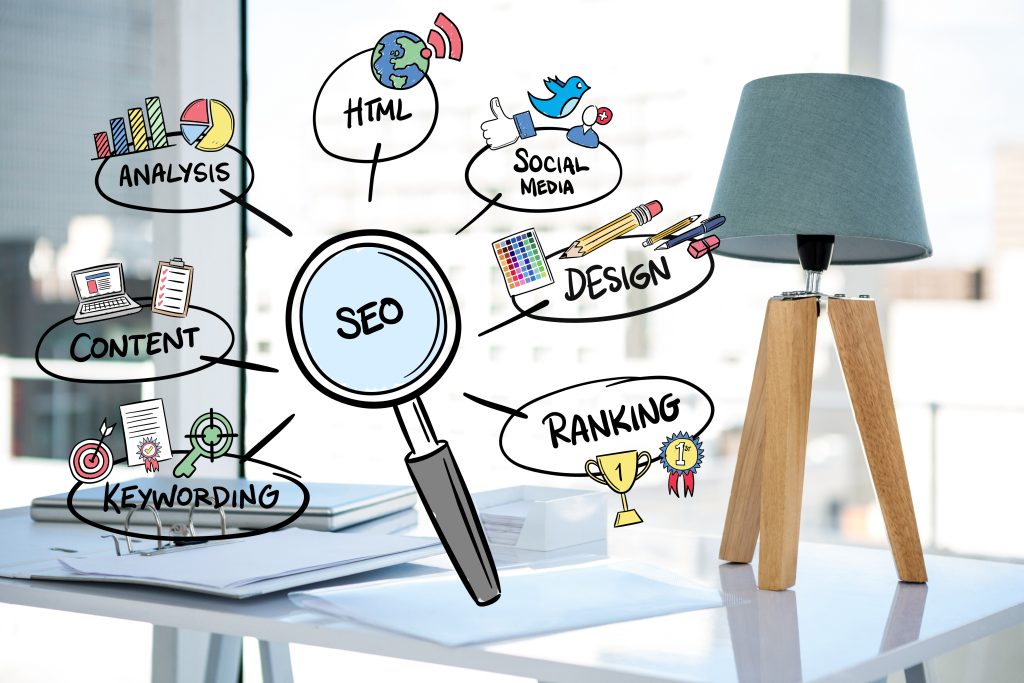
Search Engine Optimization (SEO) has become one of the most essential digital marketing strategies in today’s online landscape. Whether you run a small blog, an e-commerce store, or a corporate website, SEO plays a crucial role in improving your visibility, attracting organic traffic, and ultimately growing your business.
What is SEO?
SEO, or Search Engine Optimization, is the process of optimizing your website so that it ranks higher on search engine results pages (SERPs). When users search for information, products, or services online, search engines like Google use complex algorithms to determine which pages are most relevant.
SEO involves improving various aspects of your website to align with these algorithms, making it easier for search engines to understand your content and present it to the right audience.
Why is SEO Important?
SEO is vital because it helps your website gain visibility without relying on paid advertising. Here are some key benefits:
1. Increased Organic Traffic
Organic traffic refers to visitors who find your website through search engines. Higher rankings mean more visibility, which leads to more clicks and visitors.
2. Builds Credibility and Trust
Websites that appear on the first page of search results are often perceived as more trustworthy and authoritative.
3. Cost-Effective Marketing
Unlike paid ads, SEO focuses on long-term results. Once your website ranks well, it can continue to generate traffic without ongoing advertising costs.
4. Better User Experience
SEO encourages you to optimize site structure, speed, and content quality, improving the overall user experience.
How Search Engines Work
To understand SEO, it’s important to know how search engines operate. There are three main steps:
1. Crawling
Search engines use bots (also called spiders) to scan websites and discover new content.
2. Indexing
The discovered content is stored in a database called an index.
3. Ranking
When a user performs a search, the search engine analyzes its index and ranks pages based on relevance and quality.
Types of SEO
SEO can be broadly divided into three main categories:
1. On-Page SEO
This involves optimizing elements on your website, such as:
- Content quality
- Keywords
- Meta tags
- Headings
- Internal linking
2. Off-Page SEO
Off-page SEO focuses on external factors, primarily backlinks (links from other websites pointing to yours).
3. Technical SEO
This includes backend improvements such as:
- Website speed
- Mobile-friendliness
- Secure connections (HTTPS)
- XML sitemaps
Keyword Research: The Foundation of SEO
Keyword research is the process of identifying the words and phrases people use when searching online.
How to Do Keyword Research:
- Use tools like keyword planners or analytics platforms
- Focus on long-tail keywords (more specific phrases)
- Analyze competitor keywords
- Consider search intent (informational, navigational, transactional)
Choosing the right keywords ensures that your content matches what users are searching for.
Creating High-Quality Content
Content is often referred to as the “king” of SEO. High-quality content attracts visitors, keeps them engaged, and encourages sharing.
Tips for Creating SEO-Friendly Content:
- Write for humans, not just search engines
- Use clear headings and structure
- Include relevant keywords naturally
- Provide valuable and actionable information
- Update content regularly
Search engines prioritize content that answers user queries effectively and provides a great experience.
On-Page Optimization Techniques
1. Title Tags and Meta Descriptions
Your title tag should include your main keyword and be compelling enough to attract clicks. Meta descriptions should summarize your content clearly.
2. Header Tags (H1, H2, H3)
Use headers to organize your content and make it easier to read.
3. URL Structure
Keep URLs short, descriptive, and keyword-rich.
4. Internal Linking
Link to other relevant pages on your site to improve navigation and distribute authority.

Technical SEO Essentials
Technical SEO ensures that your website is easy for search engines to crawl and index.
Key Elements:
- Site Speed: Faster websites provide better user experience
- Mobile Optimization: Ensure your site works well on mobile devices
- Secure Website: Use HTTPS for security
- Structured Data: Helps search engines understand your content
The Importance of Backlinks
Backlinks are one of the most important ranking factors. They act as “votes of confidence” from other websites.
How to Build Backlinks:
- Guest blogging
- Creating shareable content
- Reaching out to influencers
- Submitting to directories
Quality matters more than quantity. A few high-quality backlinks can be more effective than many low-quality ones.
Local SEO
If you run a local business, local SEO is essential.
Key Strategies:
- Optimize your business profile
- Use location-based keywords
- Get customer reviews
- Ensure consistent contact information
Local SEO helps your business appear in searches within your geographic area.
Measuring SEO Success
To know if your SEO efforts are working, you need to track performance.
Important Metrics:
- Organic traffic
- Keyword rankings
- Bounce rate
- Conversion rate
- Backlinks
Use analytics tools to monitor these metrics and adjust your strategy accordingly.
Common SEO Mistakes to Avoid
- Keyword stuffing
- Ignoring mobile optimization
- Slow website speed
- Duplicate content
- Buying low-quality backlinks
Avoiding these mistakes can significantly improve your chances of success.
The Future of SEO
SEO is constantly evolving. Some emerging trends include:
- Voice search optimization
- AI-driven search algorithms
- User experience (UX) as a ranking factor
- Video and visual search
Staying updated with these trends will help you stay ahead of the competition.
Conclusion
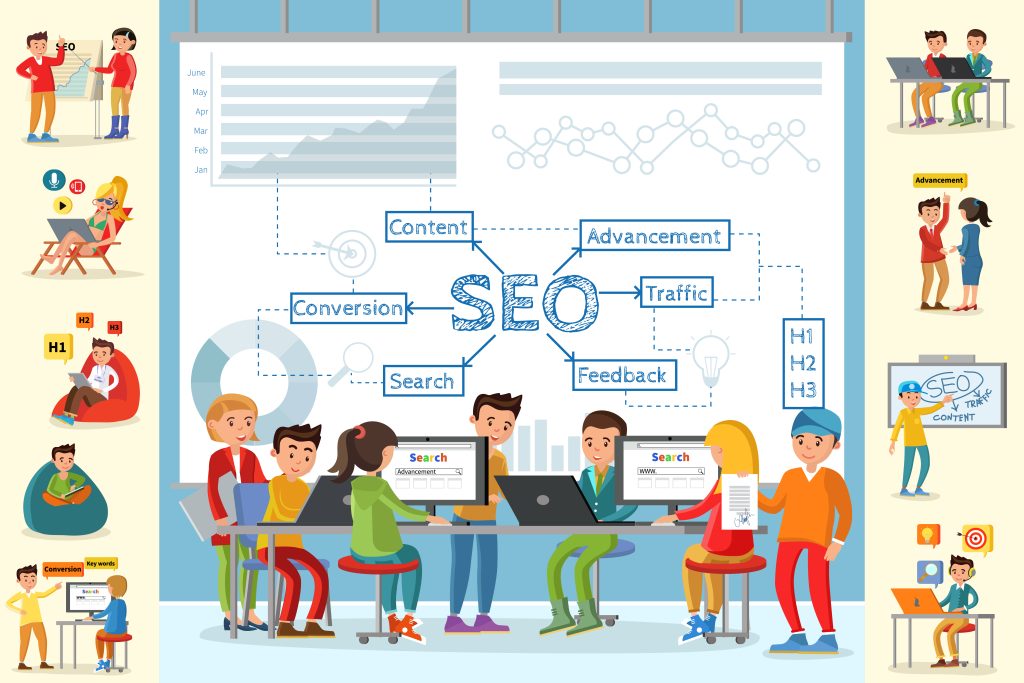
SEO is not a one-time effort but an ongoing process that requires consistency, strategy, and adaptability. By focusing on high-quality content, proper optimization, and user experience, you can build a strong online presence and achieve sustainable growth.
Whether you’re a beginner or an experienced marketer, investing time in SEO will pay off in the long run. Start implementing these strategies today, and you’ll be on your way to higher rankings and increased organic traffic.
By mastering SEO fundamentals and staying updated with industry changes, you can unlock the full potential of your website and reach your target audience more effectively than ever before.