
In today’s fast-paced digital landscape, businesses are constantly searching for effective ways to drive traffic, generate leads, and increase sales. One of the most powerful and measurable methods to achieve these goals is PPC, or Pay-Per-Click advertising. Whether you’re a small business owner or a seasoned marketer, understanding PPC can significantly enhance your online presence and return on investment (ROI).

What is PPC?
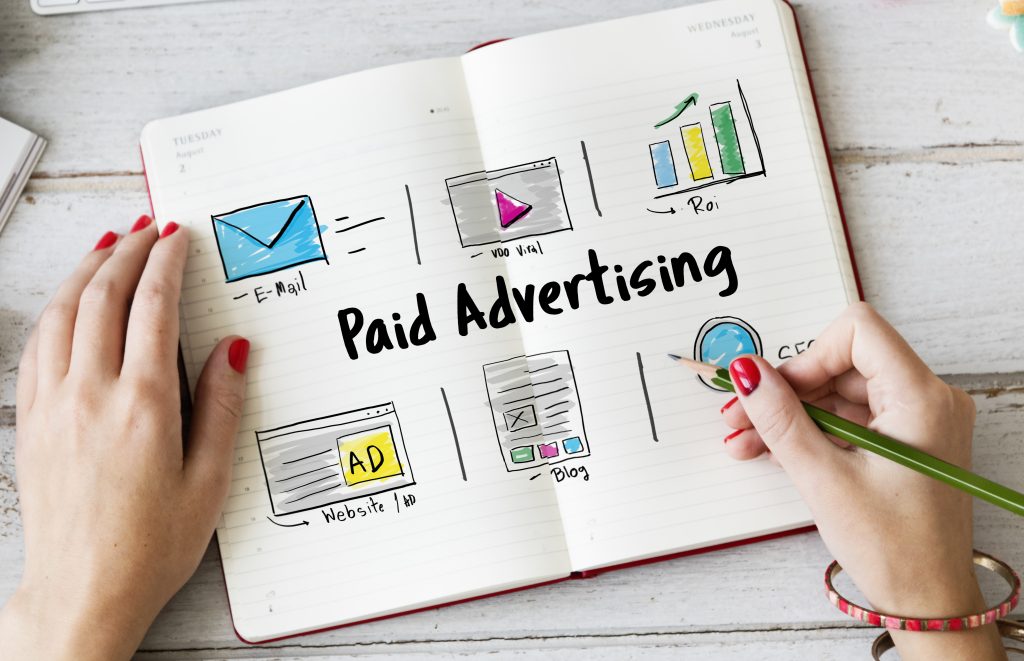
Pay-Per-Click (PPC) is a digital advertising model where advertisers pay a fee each time someone clicks on their ad. Instead of earning visits organically, PPC allows businesses to “buy” traffic to their websites. These ads typically appear on search engines, social media platforms, and various websites.
The most common form of PPC is search engine advertising, where ads appear at the top of search engine results pages (SERPs). When users search for specific keywords, relevant ads are displayed, and advertisers are charged only when their ad is clicked.
How PPC Works
PPC operates through a bidding system. Advertisers select keywords relevant to their business and place bids on how much they are willing to pay for each click. However, it’s not just about the highest bid. Platforms use a combination of factors, including ad quality, relevance, and expected click-through rate (CTR), to determine which ads appear and in what order.
This system ensures that users see relevant ads, while advertisers benefit from better performance if their ads are well-optimized.
Key Components of a PPC Campaign
To run a successful PPC campaign, several elements must work together seamlessly:
1. Keywords
Keywords are the foundation of any PPC campaign. Choosing the right keywords ensures your ads appear in front of the right audience. It’s important to balance high-volume keywords with more specific, long-tail keywords that often have less competition and higher conversion rates.
2. Ad Copy
Your ad copy must be compelling, clear, and relevant. A strong headline, concise description, and a clear call-to-action (CTA) can significantly impact your CTR and overall campaign success.
3. Landing Pages
When users click on your ad, they should be directed to a well-designed landing page that aligns with the ad’s message. A good landing page improves user experience and increases the chances of conversion.
4. Bidding Strategy
Choosing the right bidding strategy is crucial. Options include manual bidding, automated bidding, cost-per-acquisition (CPA), and return on ad spend (ROAS) targeting. Your choice should align with your campaign goals.
5. Quality Score
Most PPC platforms assign a quality score to your ads based on relevance, CTR, and landing page experience. A higher quality score can lead to better ad placement and lower costs.
Benefits of PPC Advertising
PPC offers several advantages that make it a popular choice for businesses:
Immediate Results
Unlike SEO, which can take months to show results, PPC campaigns can drive traffic almost instantly after launch.
Highly Targeted
PPC allows you to target users based on location, demographics, interests, device type, and even time of day. This precision ensures your ads reach the most relevant audience.
Measurable Performance
With PPC, every click, impression, and conversion can be tracked. This data-driven approach allows marketers to optimize campaigns continuously for better results.
Cost Control
You have complete control over your budget. You can set daily or monthly limits and adjust them as needed.
Brand Visibility
Even if users don’t click on your ads, appearing at the top of search results increases brand awareness and credibility.
Common PPC Platforms
There are several platforms where you can run PPC campaigns, including search engines and social media networks. Each platform offers unique targeting options and ad formats.
Search engine platforms focus on keyword-based targeting, while social media platforms allow for more audience-based targeting using user behavior and interests.
PPC vs SEO
While PPC and Search Engine Optimization (SEO) are both used to drive traffic, they differ significantly:
- PPC provides immediate visibility but requires ongoing investment.
- SEO takes longer to show results but can provide sustainable, long-term traffic.
- PPC offers more control and predictability.
- SEO builds organic credibility over time.
A balanced digital marketing strategy often includes both PPC and SEO to maximize results.
Best Practices for PPC Success
To get the most out of your PPC campaigns, consider the following best practices:
Conduct Thorough Keyword Research
Use keyword research tools to identify high-performing keywords. Focus on user intent and avoid overly broad terms that may waste your budget.
Optimize Ad Copy Regularly
Test different headlines, descriptions, and CTAs to determine what resonates best with your audience.
Use Negative Keywords
Negative keywords prevent your ads from appearing for irrelevant searches, saving money and improving targeting.
Monitor and Adjust Campaigns
Regularly analyze performance metrics and make adjustments to bids, keywords, and ad copy as needed.
Improve Landing Page Experience
Ensure your landing pages are fast, mobile-friendly, and aligned with your ads to boost conversions.
Challenges of PPC
Despite its benefits, PPC also comes with challenges:
- High competition can drive up costs, especially in competitive industries.
- Poorly managed campaigns can lead to wasted budget.
- Requires continuous monitoring and optimization.
- Click fraud and invalid clicks can impact performance.
Understanding these challenges and addressing them proactively is key to long-term success.

The Future of PPC
As technology evolves, PPC continues to adapt. Automation, artificial intelligence (AI), and machine learning are playing a larger role in campaign management. Features like smart bidding and audience targeting are becoming more sophisticated, allowing advertisers to achieve better results with less manual effort.
Voice search, visual search, and privacy changes are also shaping the future of PPC. Marketers must stay updated with trends and adapt their strategies accordingly.
Conclusion
PPC advertising is a powerful tool for businesses looking to grow their online presence quickly and effectively. With the right strategy, careful planning, and ongoing optimization, PPC can deliver impressive results and a strong return on investment.
Whether you’re just starting out or looking to refine your existing campaigns, mastering PPC can give you a competitive edge in the digital marketplace. By understanding its core principles and staying adaptable, you can harness the full potential of Pay-Per-Click advertising and drive meaningful business growth.